TRILOGÍA DEL TIEMPO
Leer el mundo
en la voz de quienes lo habitan,
en los cuerpos que caminan sus calles.
Una ciudad se cuenta a sí misma
en lo que se dice al pasar,
en un gesto heredado,
en la forma de sentarse a esperar.
Los jóvenes imaginan un futuro.
Los adultos constatan el presente.
Las personas mayores dan cuenta de lo vivido.
Filmar lo que vendrá.
Dejar constancia de lo que ocurre.
Contar lo que ya fue.
El tiempo existe como percepción, movimiento y memoria.
Lo recordamos, lo proyectamos,
lo atravesamos mientras se nos escapa.
DESCRIPCIÓN
Trilogía del tiempo nace del deseo de leer el mundo a través de la oralidad y de los cuerpos situados en sus territorios. En cada ciudad, tres generaciones trabajan con sus relatos, sus gestos y sus memorias para componer una cartografía de su comunidad: lo que se dice, cómo se dice y desde qué lugar.
The project takes the form of three works, each with a group of local non-professional participants. Each work sets in motion, before the audience, an attempt to capture the life of a place: a film, a set of minutes, a book. It is the ancient gesture of leaving a record: we were here, this is what we lived, this is what we imagined.
The teenagers shoot a film: in a single sequence shot filmed live, they imagine the world that could unfold during their lifetime. The adults take the minutes of a committee and bear witness to what they do, sustain and decide in the time of the meanwhile. The older people present a book and give an account of what has been lived by activating some of their stories.
The three works intersect. A teenager questions the adults, some adults accompany the older people, and two older people inhabit the teenagers’ future. Each generation thinks of itself in relation to the others.
The body is the first archive. Gestures, rhythms and memories live in it, and the prompts help awaken and share them. The scene is built with what each person brings: their way of being, of remembering, of telling. Each singular story resonates with a shared experience.
The work is activated in each place with local participants. The structure remains and the contents are produced anew with each group. Each version is a choral, situated portrait of a time and a territory.
FICHA TÉCNICA
Dirección: Tamara Cubas
Asistencia dramatúrgica: Santiago Sanguinetti
Asistencia en comunidad: Giselle Motta
Diseño sonoro: Francisco Lapetina
Diseño de iluminación: Daniela Fresard
Producción ejecutiva: Lucía Etcheverry
Pasantes de artes escénicas (UCU): Josefina Lacoste, Romina Cano, Rodrigo Pereira
Obra comisionada por: ÉVORA_2027 — Capital Europea de la Cultura
Coproducción: FITAM, Festival Santiago a Mil, Chile · Sala Verdi, Montevideo, Uruguay · Universidad Católica del Uruguay (UCU)
Format: three works, thirty local non-professional participants in each
Estado: en proceso
PRESENTACIONES
2026
Marzo a noviembre — laboratorios y proceso de creación, Montevideo, Uruguay
5 de diciembre — apertura del proceso, Sala Verdi, Montevideo, Uruguay
2027
Enero — estreno latinoamericano, Festival Teatro a Mil, Santiago de Chile
18, 19 y 20 de junio — estreno europeo, Évora_27 Capital Europea de la Cultura, Convento de São Bento de Cástris, Évora, Portugal
3 de julio — Centro Cultural de Belém (CCB), Lisboa, Portugal
FOTOS
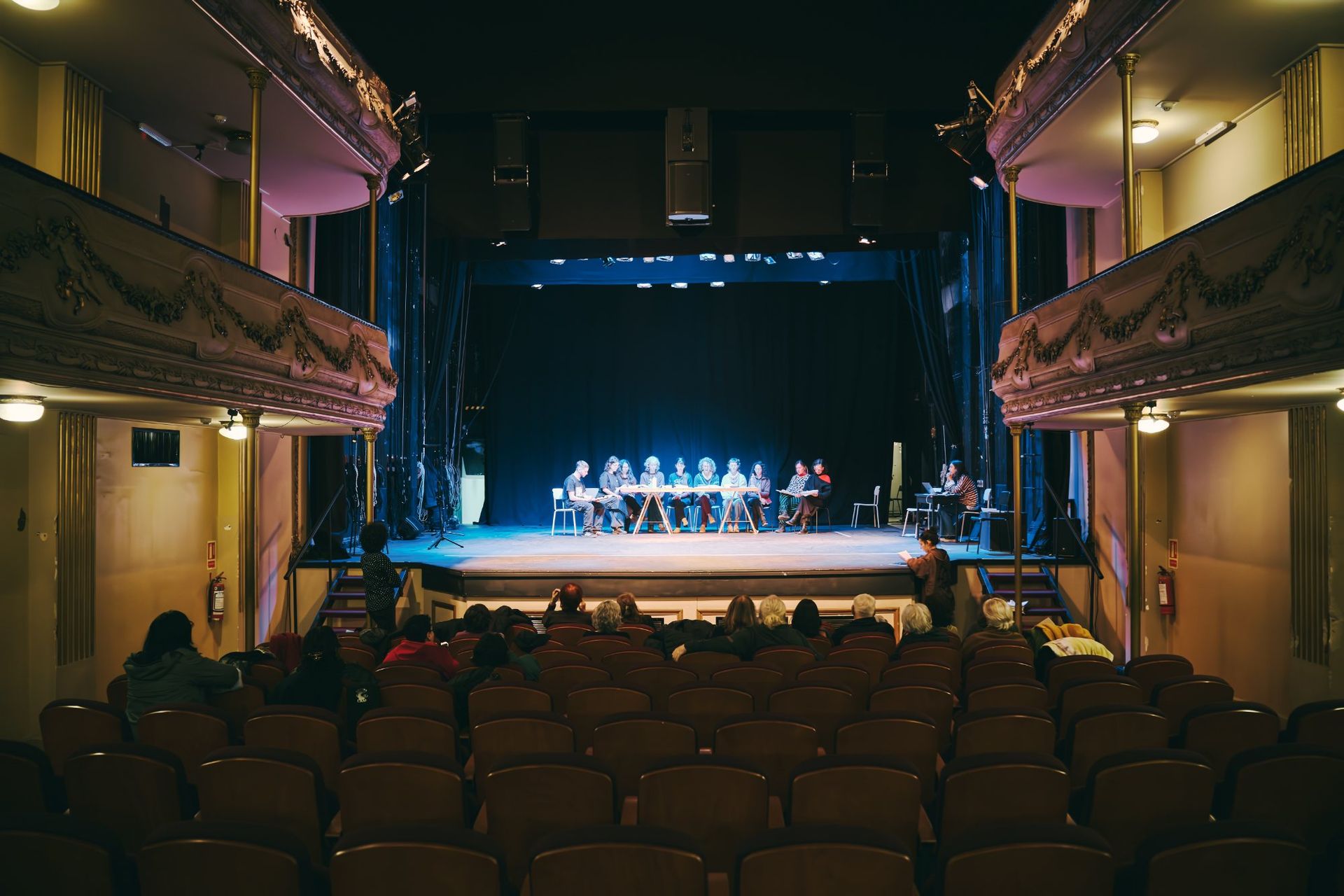
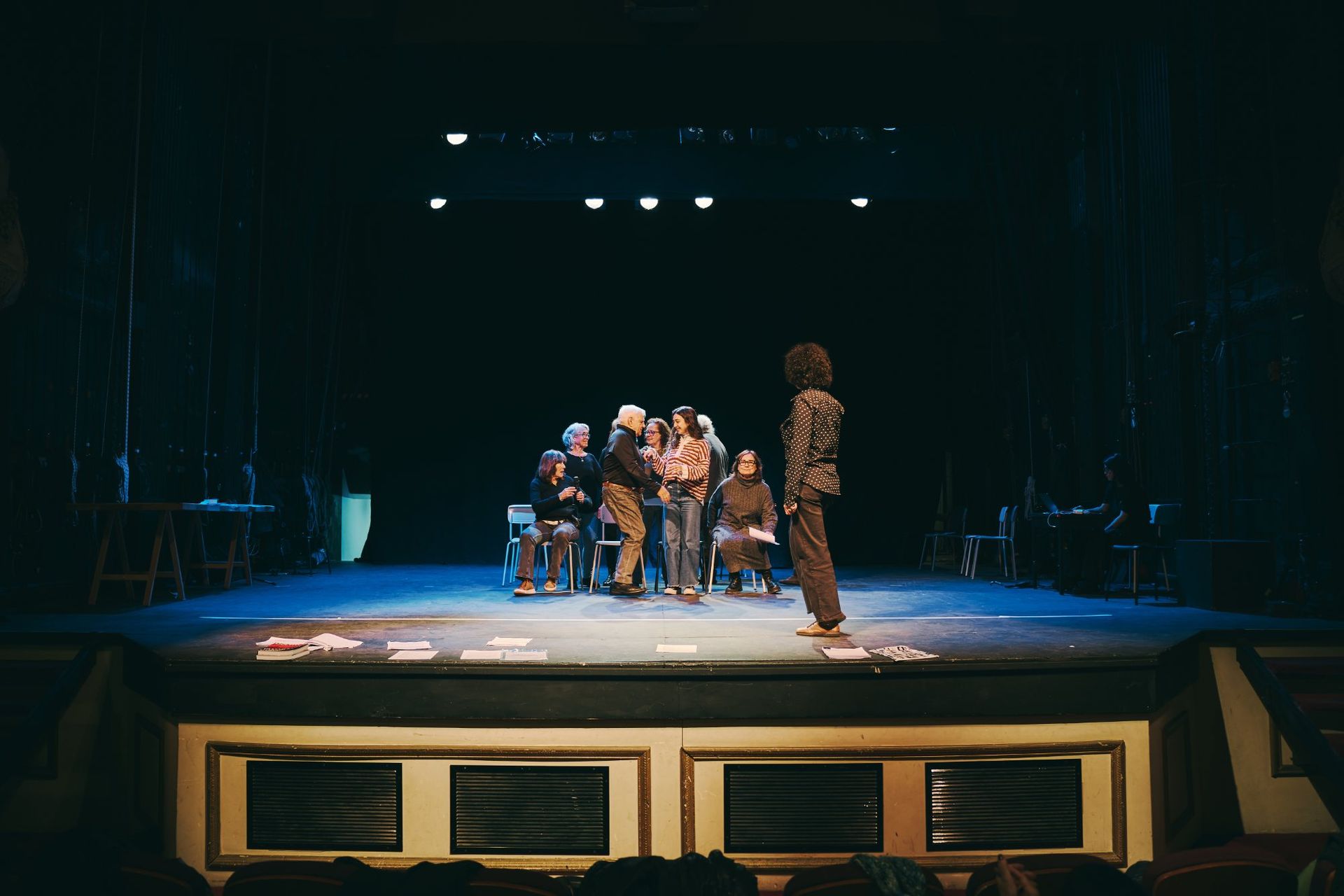
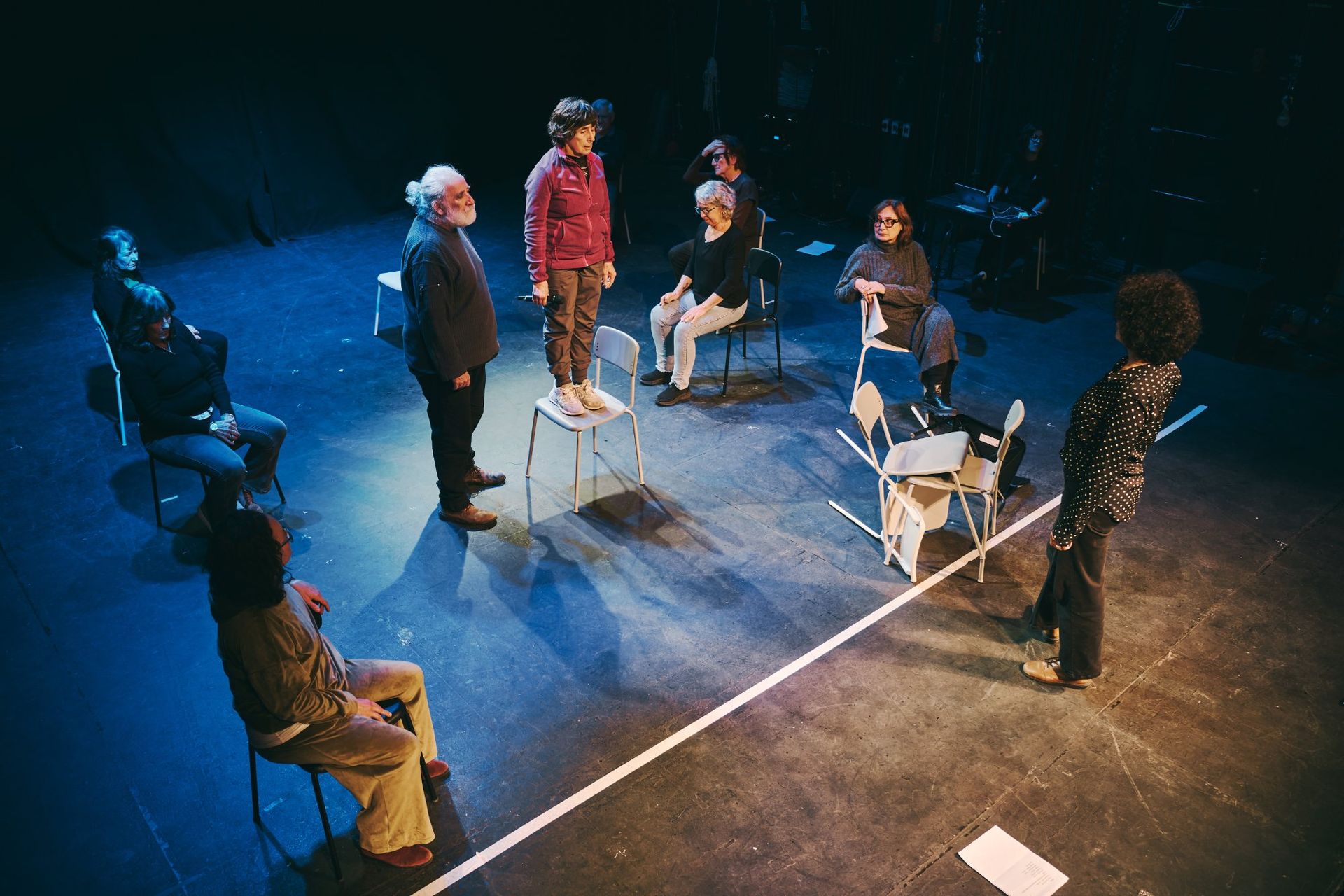
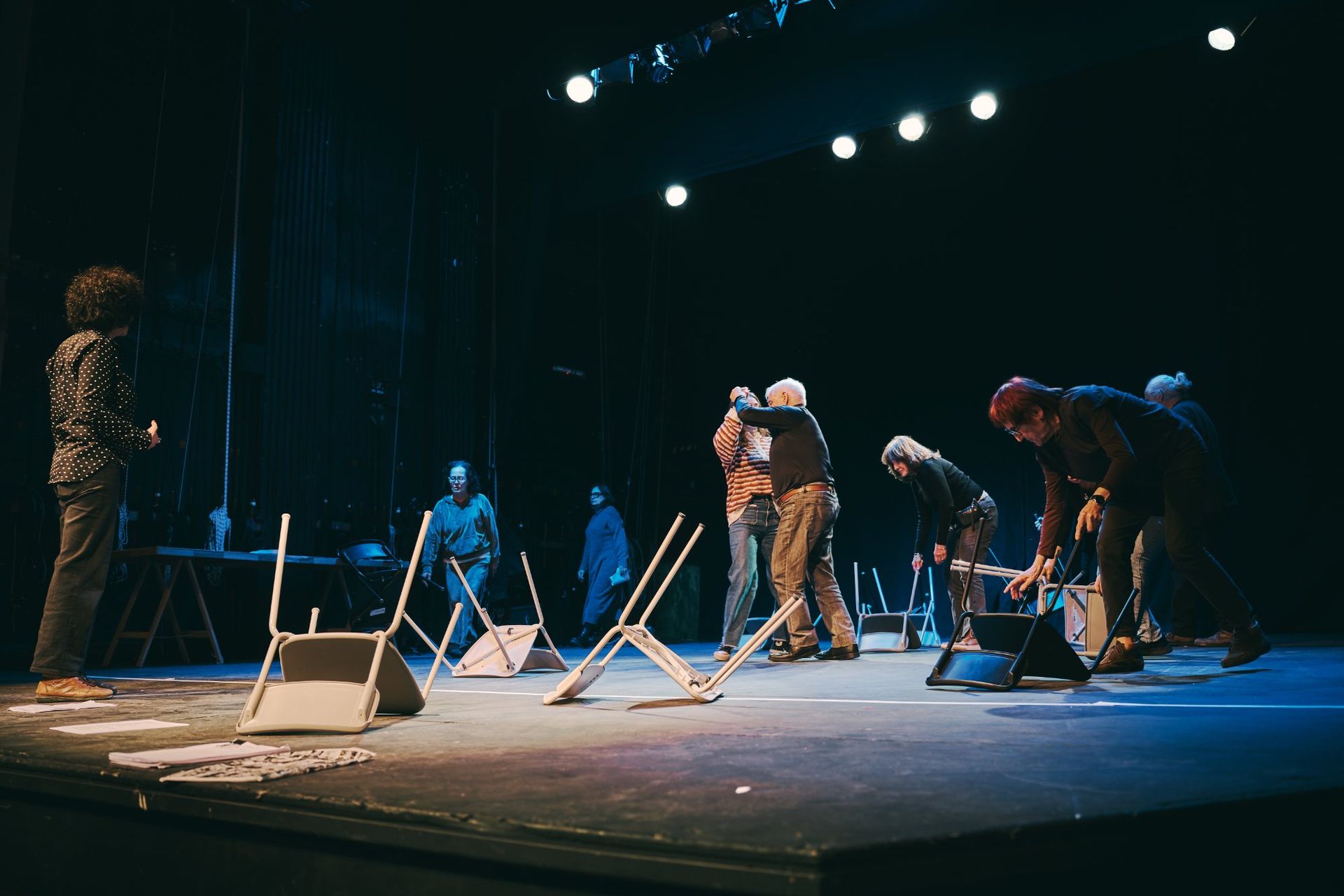
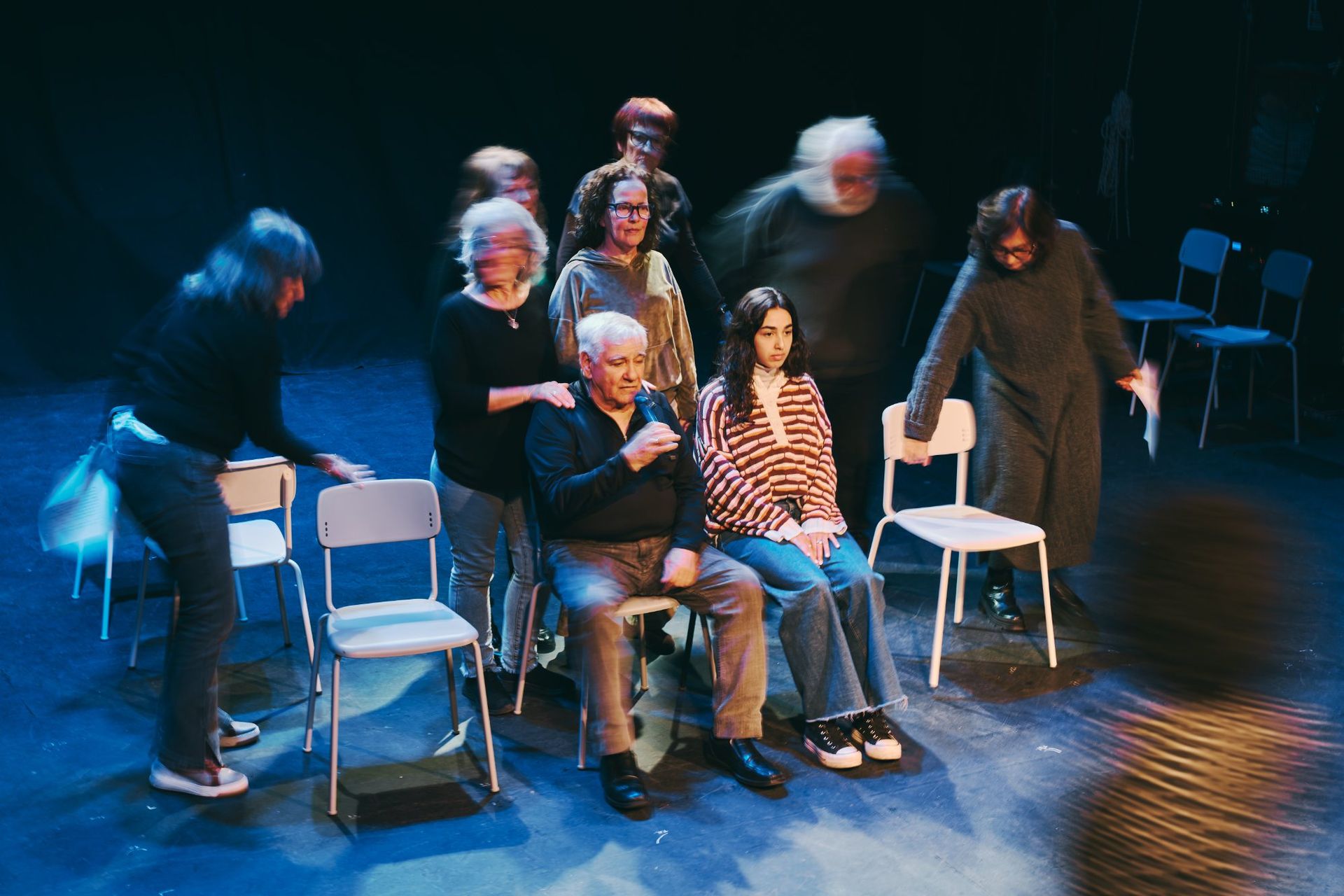
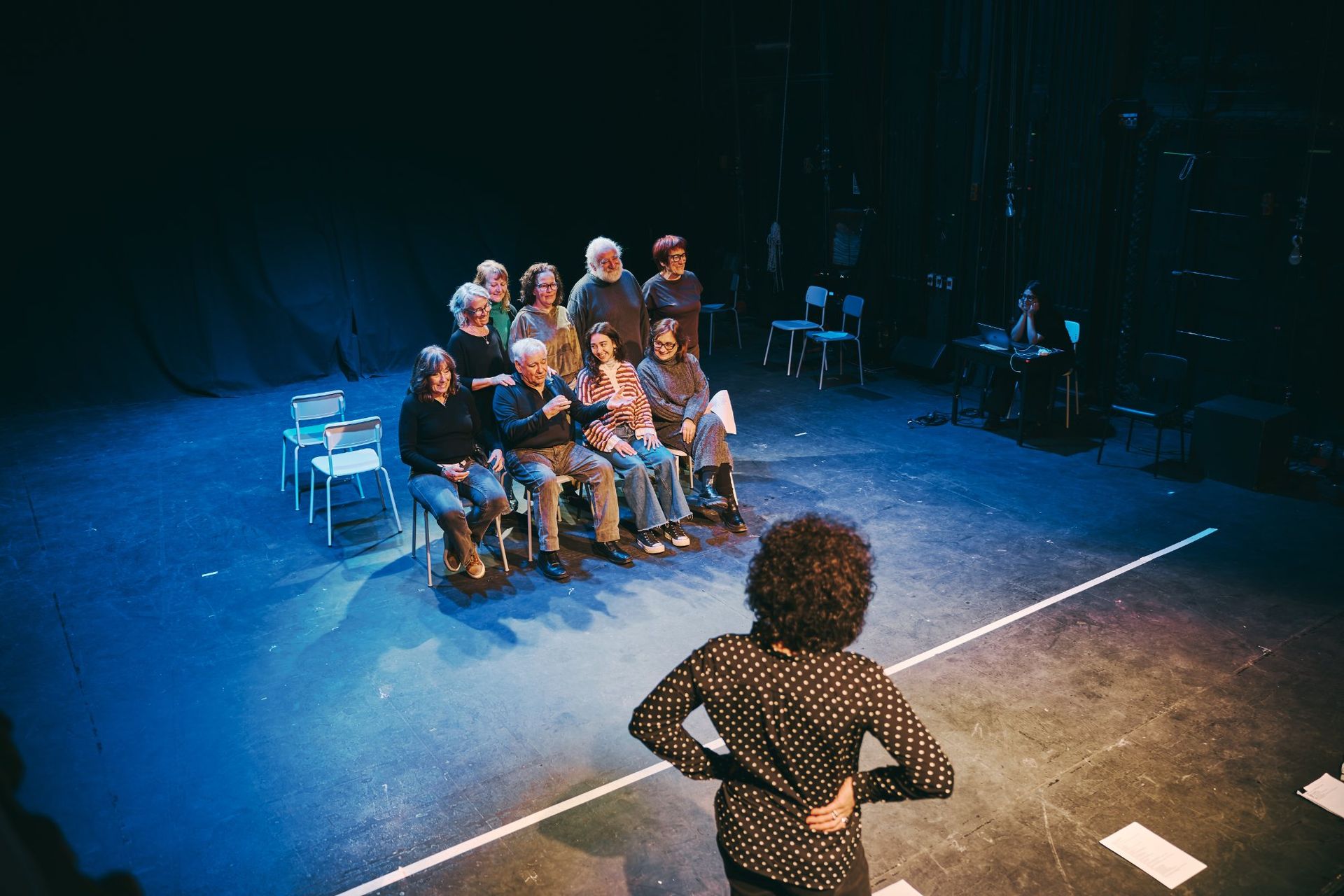
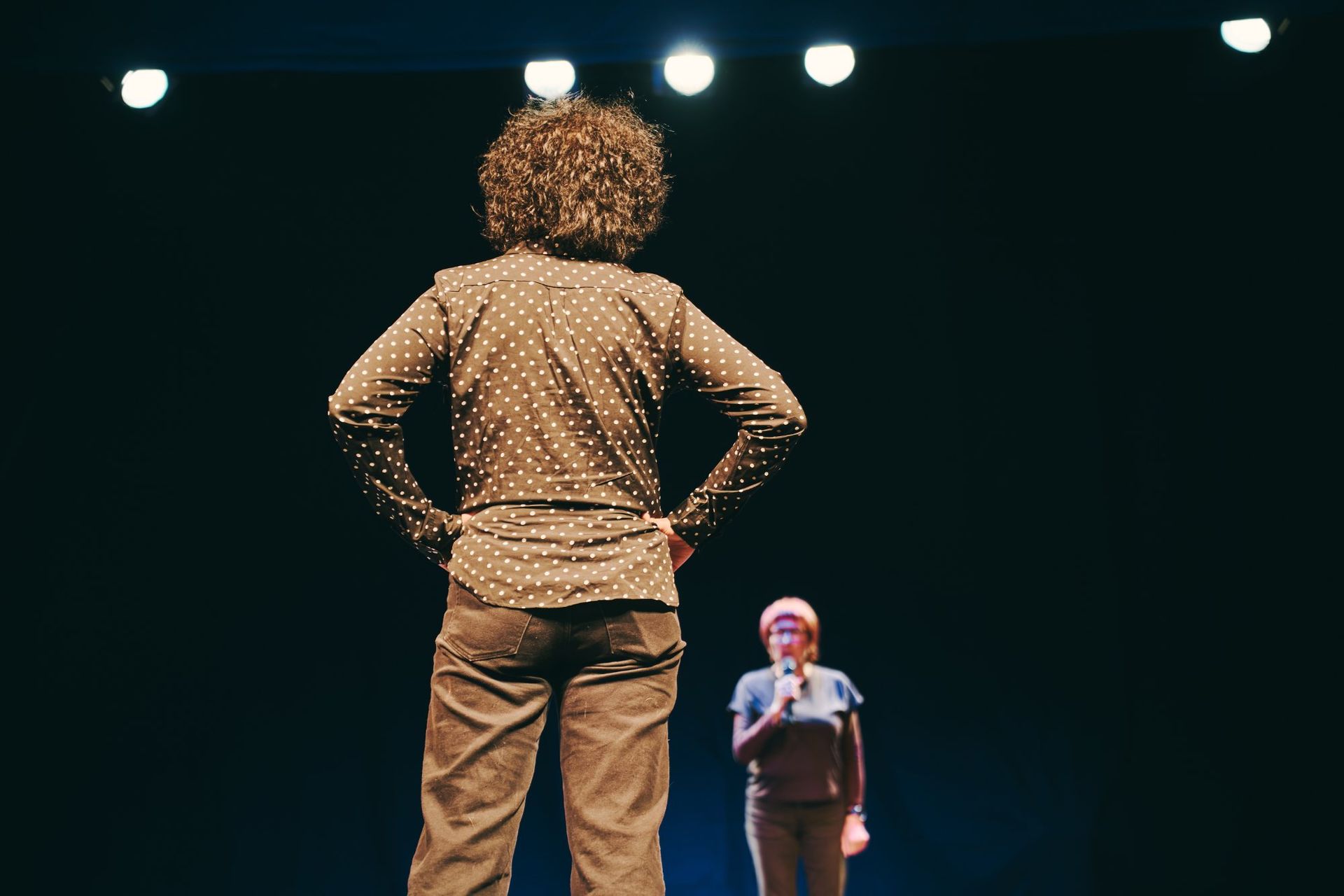
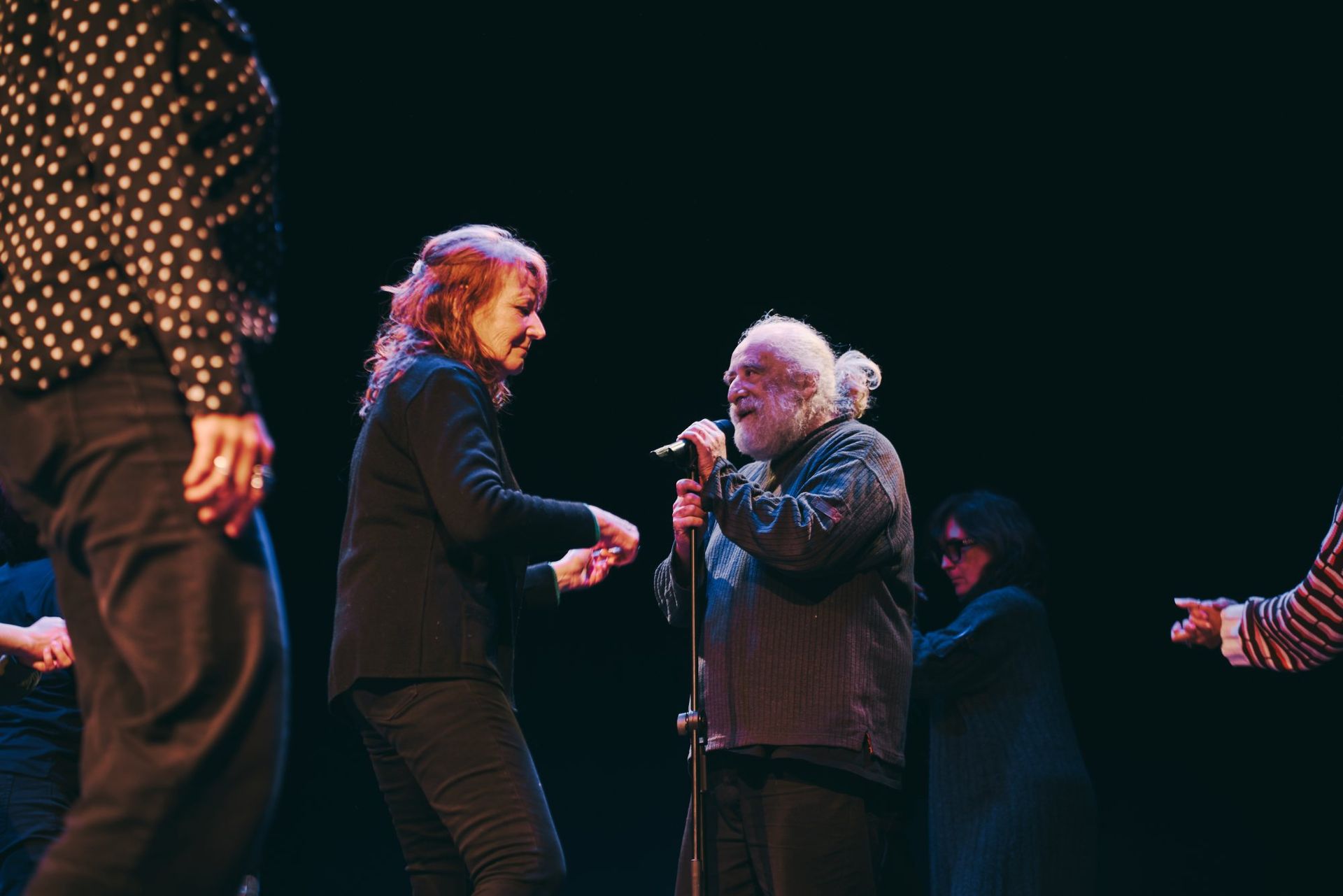
Ensayos y talleres de Trilogía del tiempo en la Sala Verdi, Montevideo, 2026. Fotos: Facundo Hagopian.