TRILOGÍA DEL TIEMPO
To read the world
in the voices of those who inhabit it,
in the bodies that walk its streets.
A city tells itself
in what is said in passing,
in an inherited gesture,
in the way one sits down to wait.
The young imagine a future.
Adults bear witness to the present.
Older people give an account of what has been lived.
To film what is to come.
To put on record what is happening.
To tell what has already been.
Time exists as perception, movement and memory.
We remember it, we project it,
we pass through it as it slips away from us.
DESCRIPTION
Trilogía del tiempo is born from the desire to read the world through orality and through bodies situated in their territories. In each city, three generations work with their stories, their gestures and their memories to compose a cartography of their community: what is said, how it is said and from where.
The project takes the form of three works, each with a group of local non-professional participants. Each work sets in motion, before the audience, an attempt to capture the life of a place: a film, a set of minutes, a book. It is the ancient gesture of leaving a record: we were here, this is what we lived, this is what we imagined.
The teenagers shoot a film: in a single sequence shot filmed live, they imagine the world that could unfold during their lifetime. The adults take the minutes of a committee and bear witness to what they do, sustain and decide in the time of the meanwhile. The older people present a book and give an account of what has been lived by activating some of their stories.
The three works intersect. A teenager questions the adults, some adults accompany the older people, and two older people inhabit the teenagers’ future. Each generation thinks of itself in relation to the others.
The body is the first archive. Gestures, rhythms and memories live in it, and the prompts help awaken and share them. The scene is built with what each person brings: their way of being, of remembering, of telling. Each singular story resonates with a shared experience.
The work is activated in each place with local participants. The structure remains and the contents are produced anew with each group. Each version is a choral, situated portrait of a time and a territory.
CREDITS
Direction: Tamara Cubas
Dramaturgical assistance: Santiago Sanguinetti
Community assistance: Giselle Motta
Sound design: Francisco Lapetina
Lighting design: Daniela Fresard
Executive production: Lucía Etcheverry
Performing arts interns (UCU): Josefina Lacoste, Romina Cano, Rodrigo Pereira
Commissioned by: ÉVORA_2027 — European Capital of Culture
Co-production: FITAM, Festival Santiago a Mil, Chile · Sala Verdi, Montevideo, Uruguay · Universidad Católica del Uruguay (UCU)
Format: three works, thirty local non-professional participants in each
Status: in progress
PERFORMANCES
2026
March to November — laboratories and creation process, Montevideo, Uruguay
5 December — work-in-progress showing, Sala Verdi, Montevideo, Uruguay
2027
January — Latin American premiere, Festival Teatro a Mil, Santiago de Chile
18, 19 and 20 June — European premiere, Évora_27 European Capital of Culture, Convento de São Bento de Cástris, Évora, Portugal
3 July — Centro Cultural de Belém (CCB), Lisbon, Portugal
PHOTOS
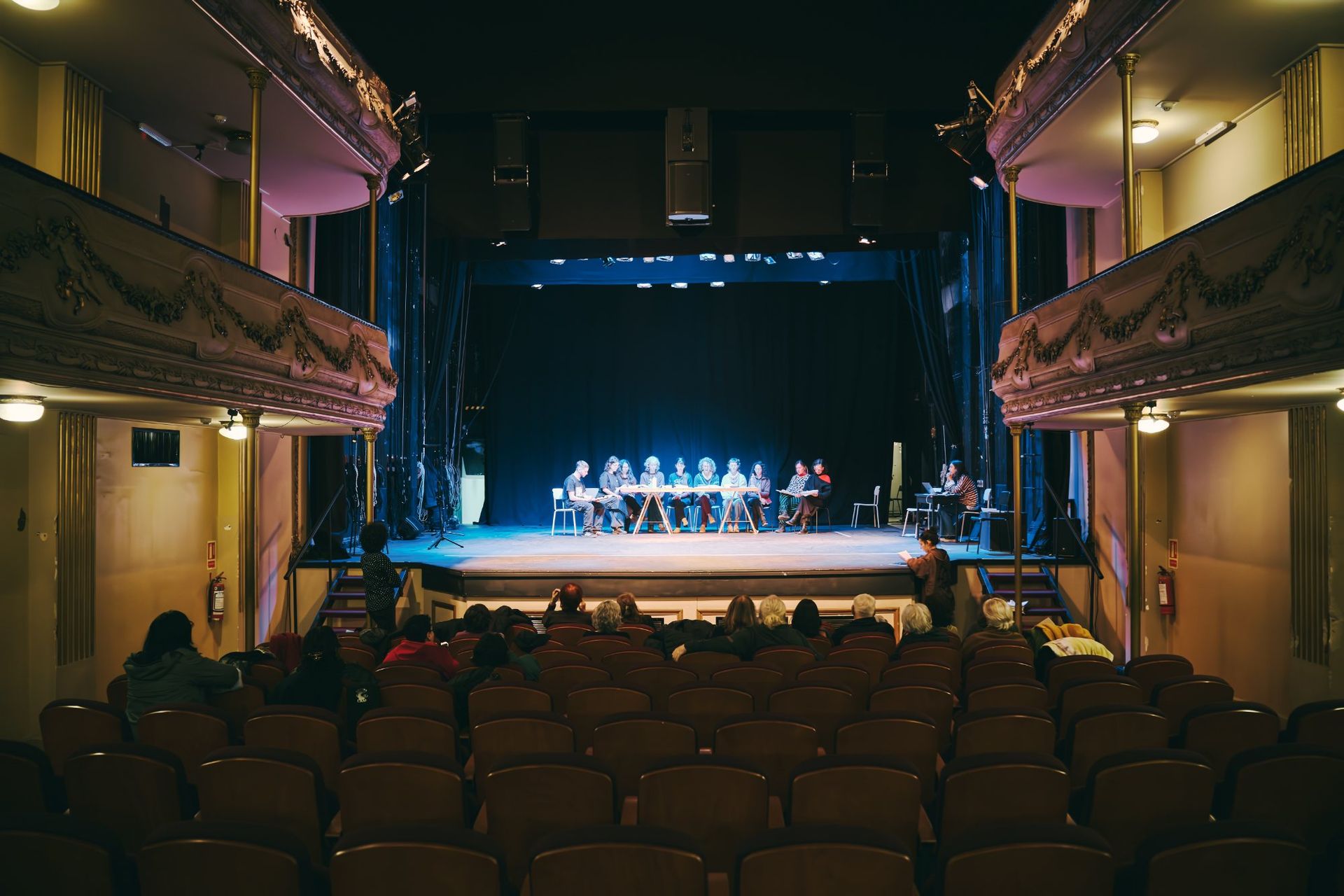
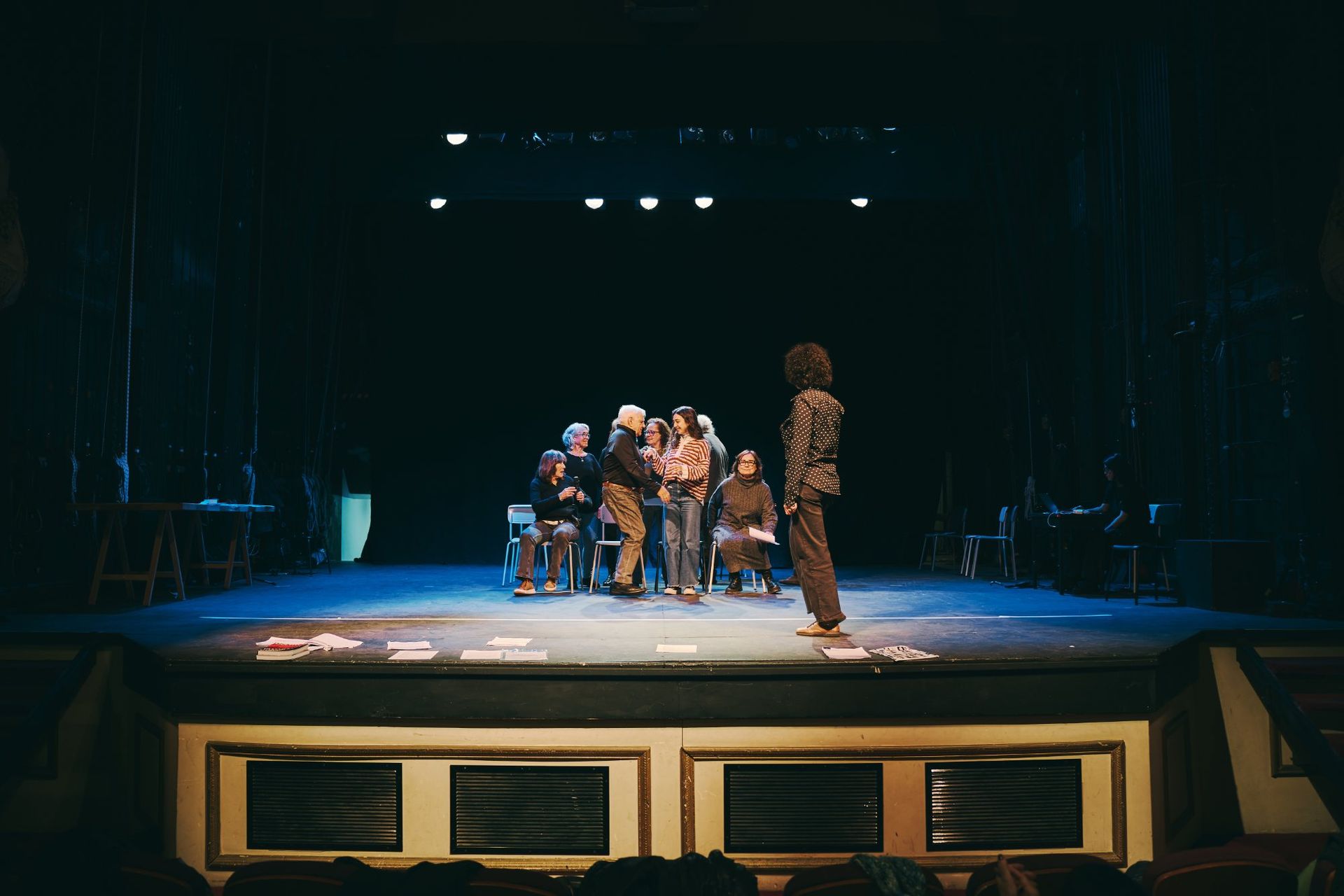
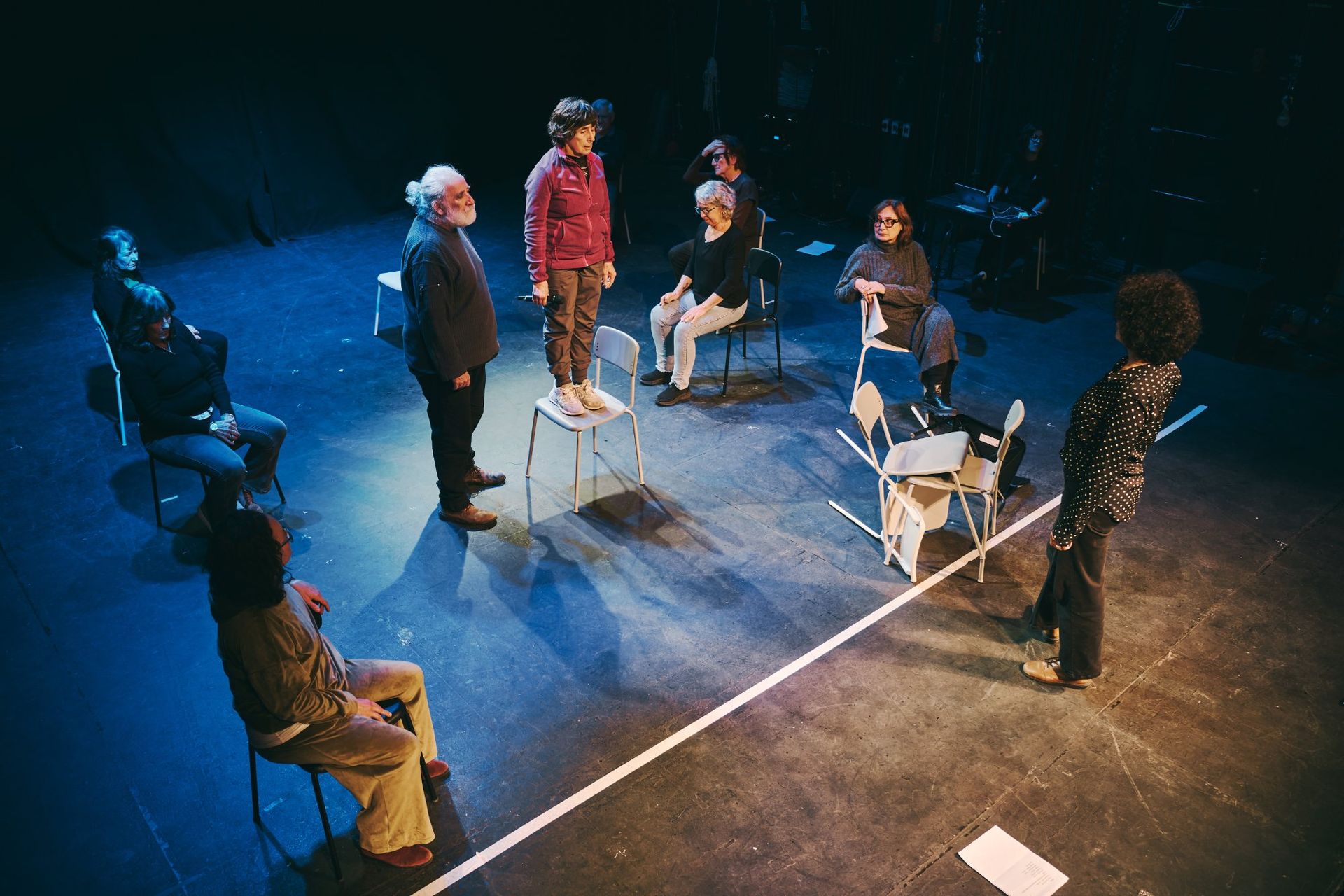
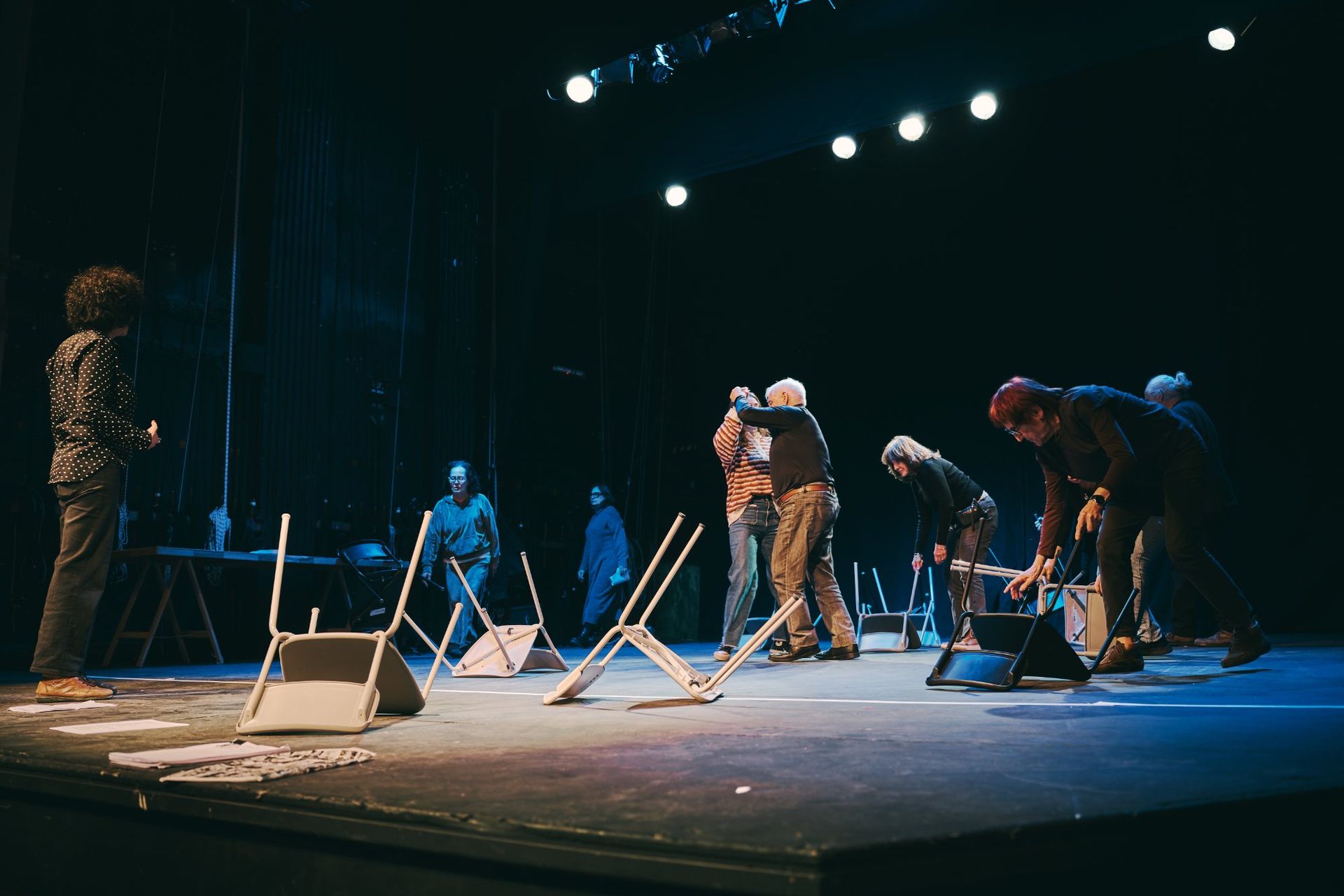
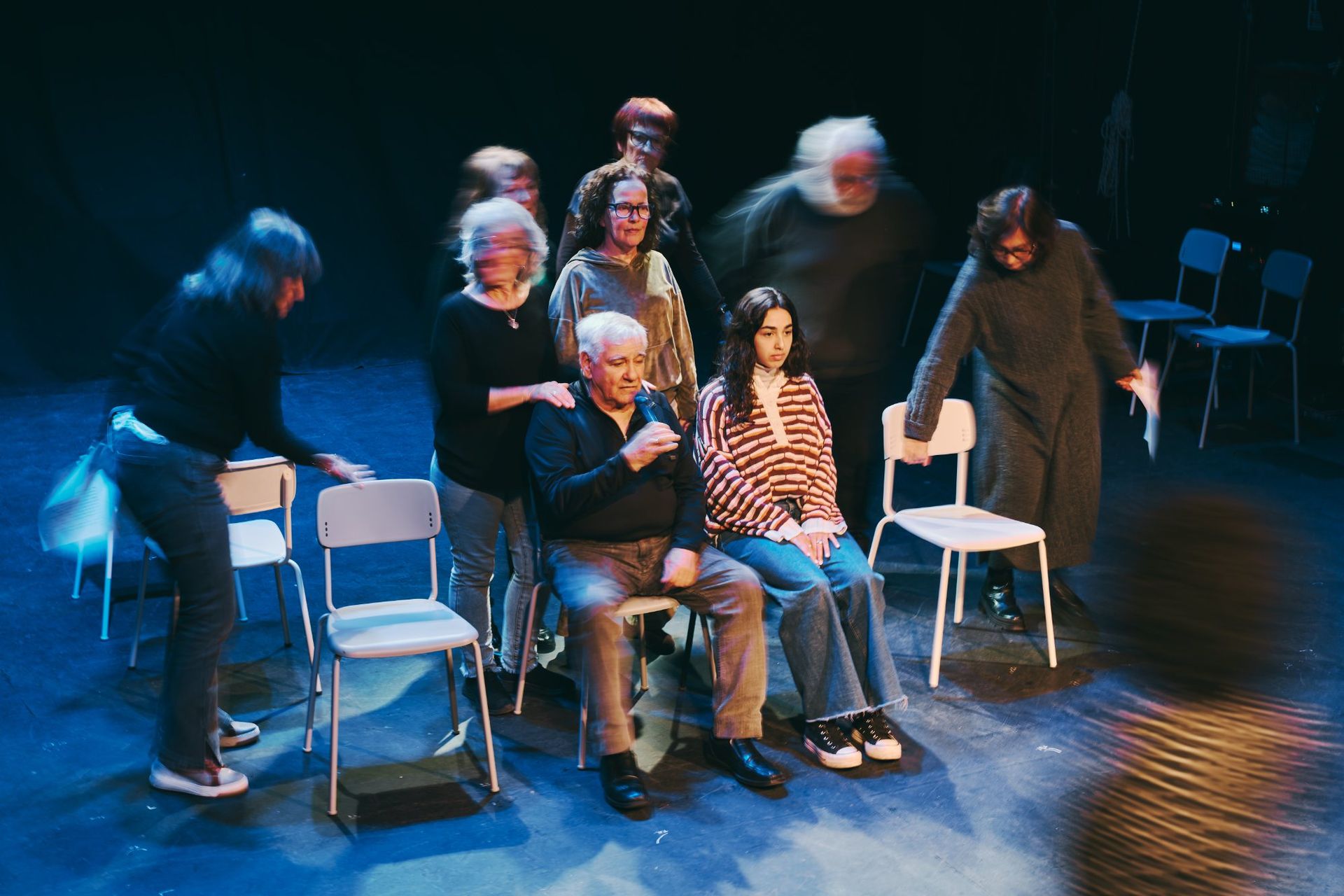
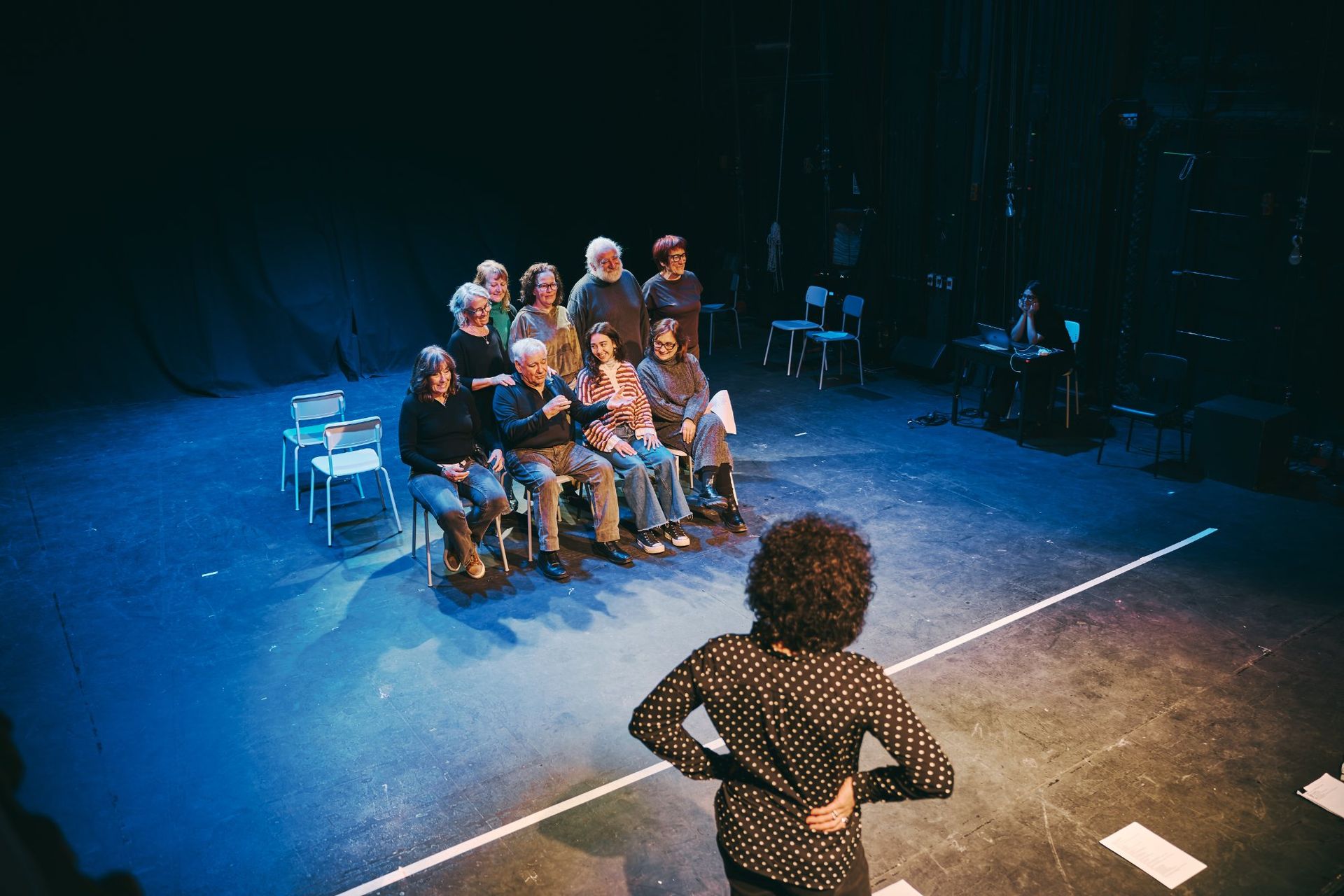
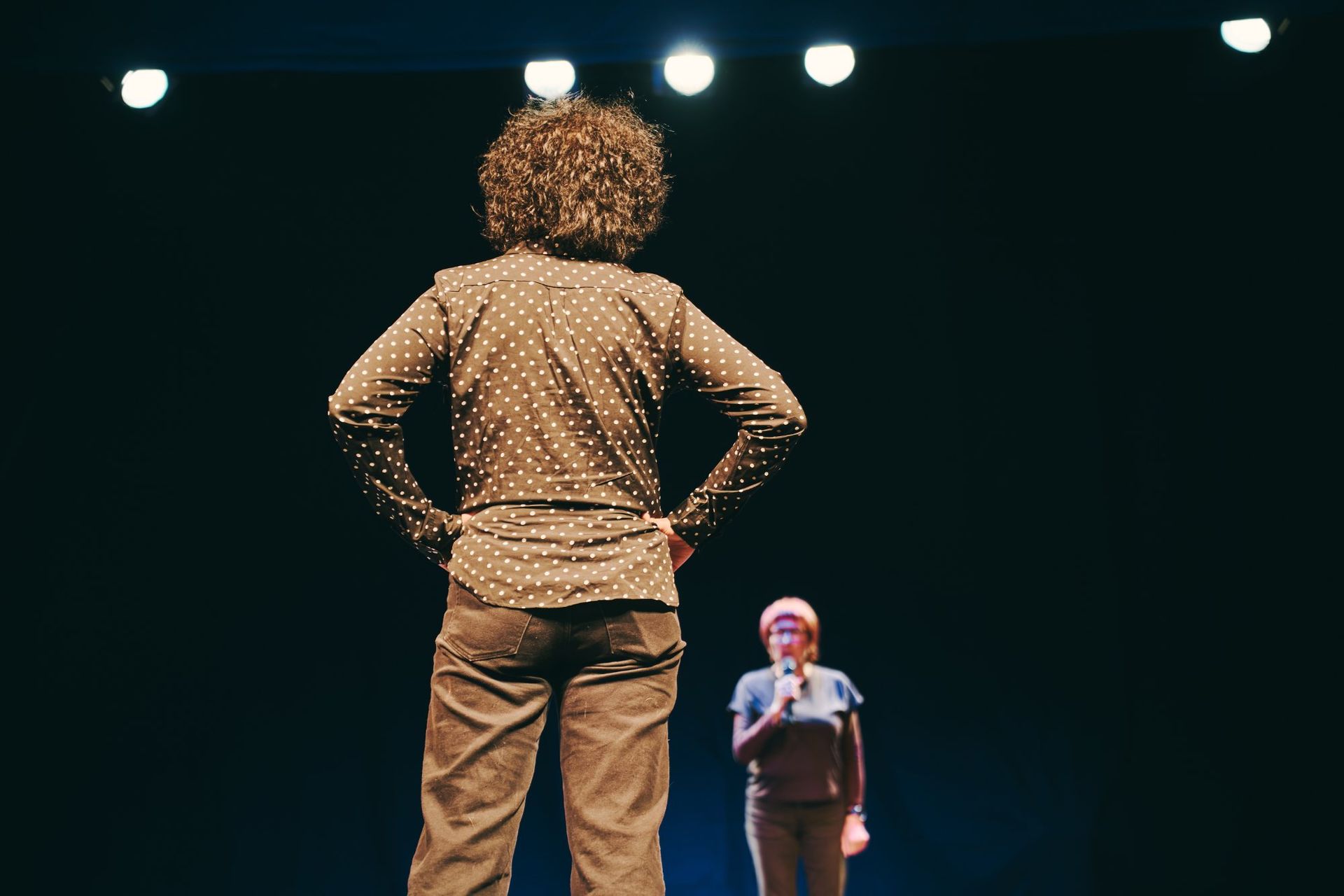
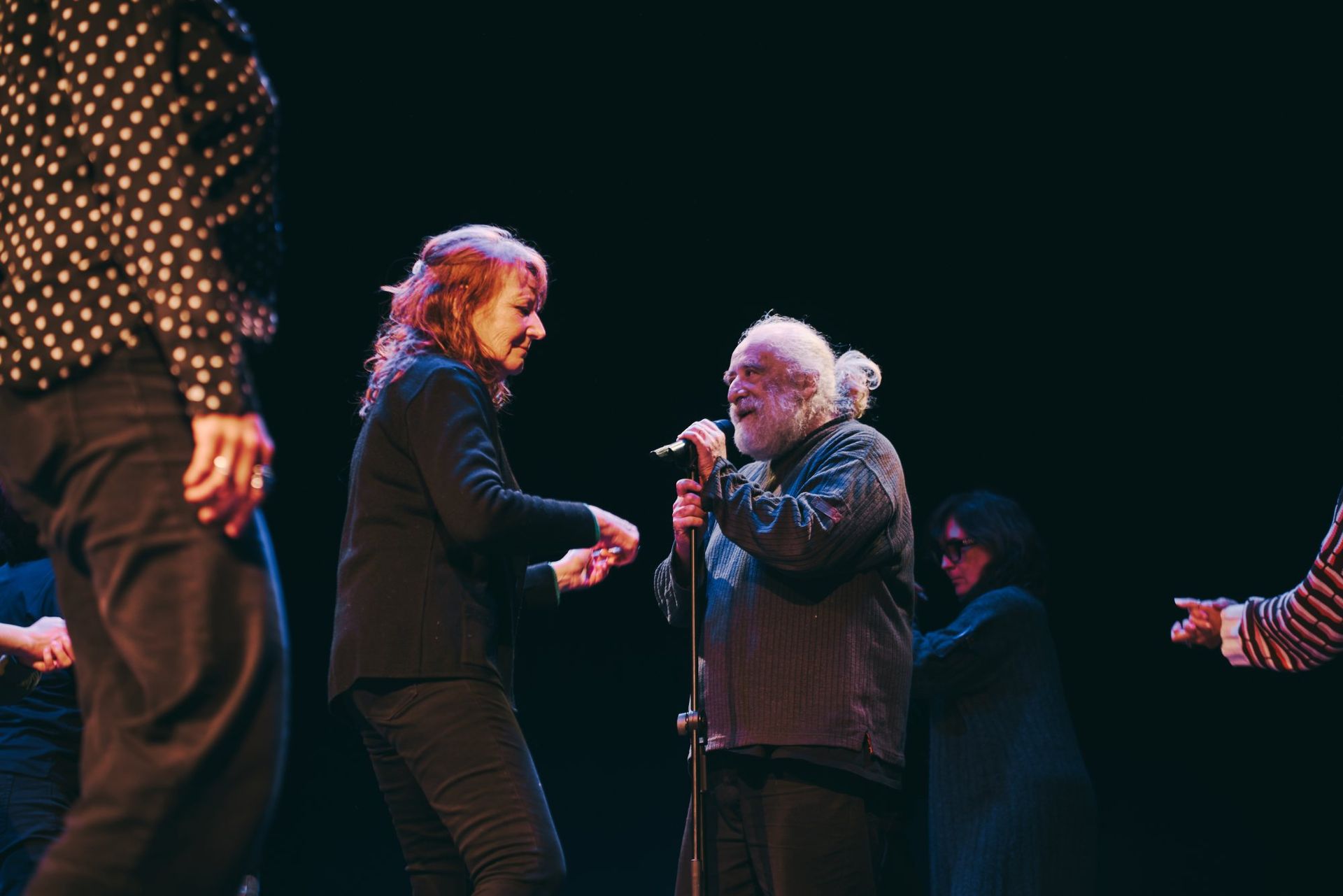
Rehearsals and workshops of Trilogía del tiempo at Sala Verdi, Montevideo, 2026. Photos: Facundo Hagopian.